


Rožata is one of those desserts that holds an almost iconic status along the Croatian coast. It’s most closely associated with Dubrovnik and its surroundings, but the idea behind it — a delicate custard made from eggs, milk, and sugar — is shared across the Mediterranean. What sets rožata apart is not just the recipe, but the scent and the feeling it leaves behind.
At its core, rožata is simple: eggs, milk, sugar, and caramel. But the defining ingredient is rose liqueur — rozalin. It’s what gives rožata its name and its character. That subtle floral note is what turns a familiar caramel dessert into something more distinctive.
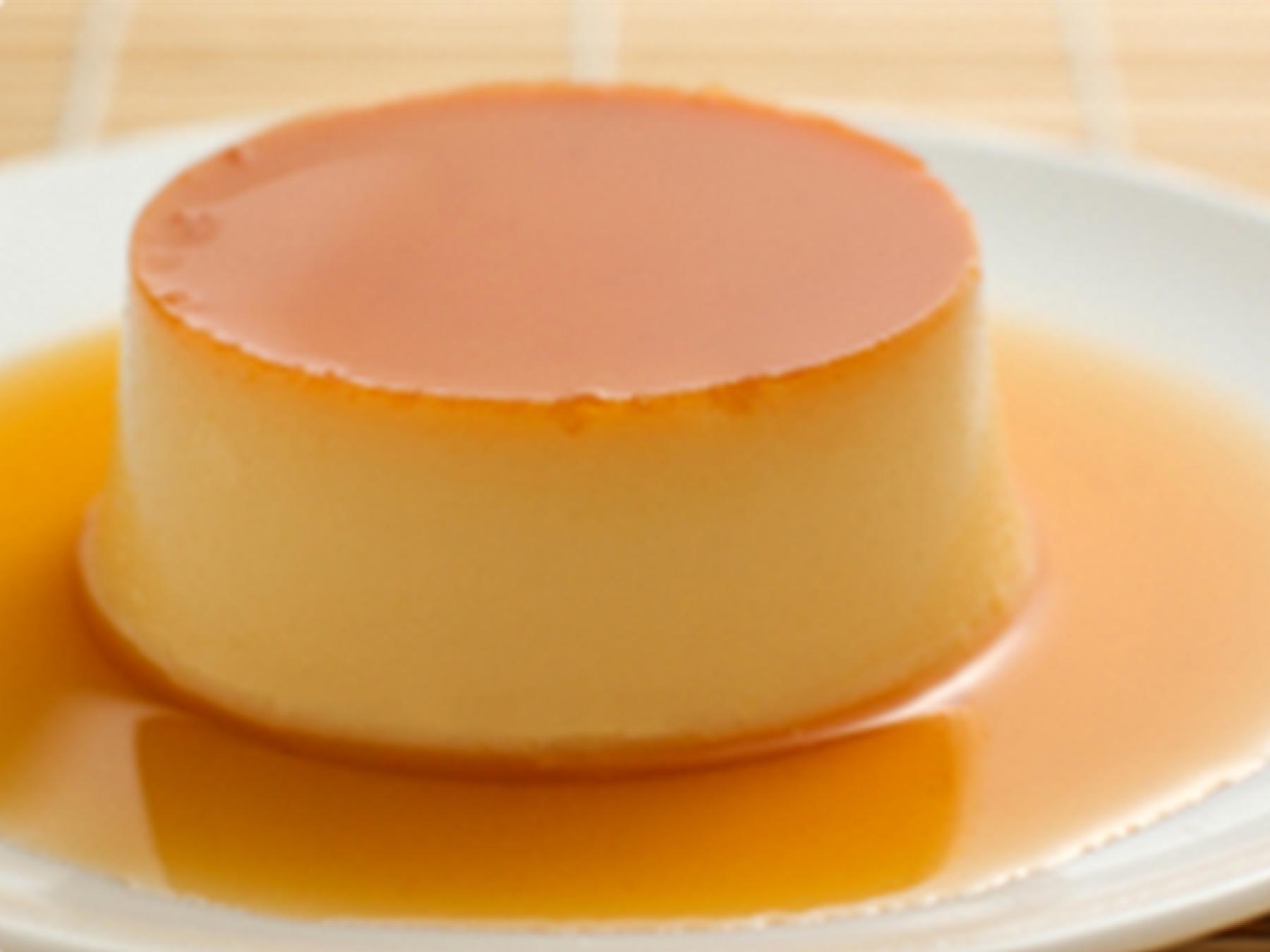
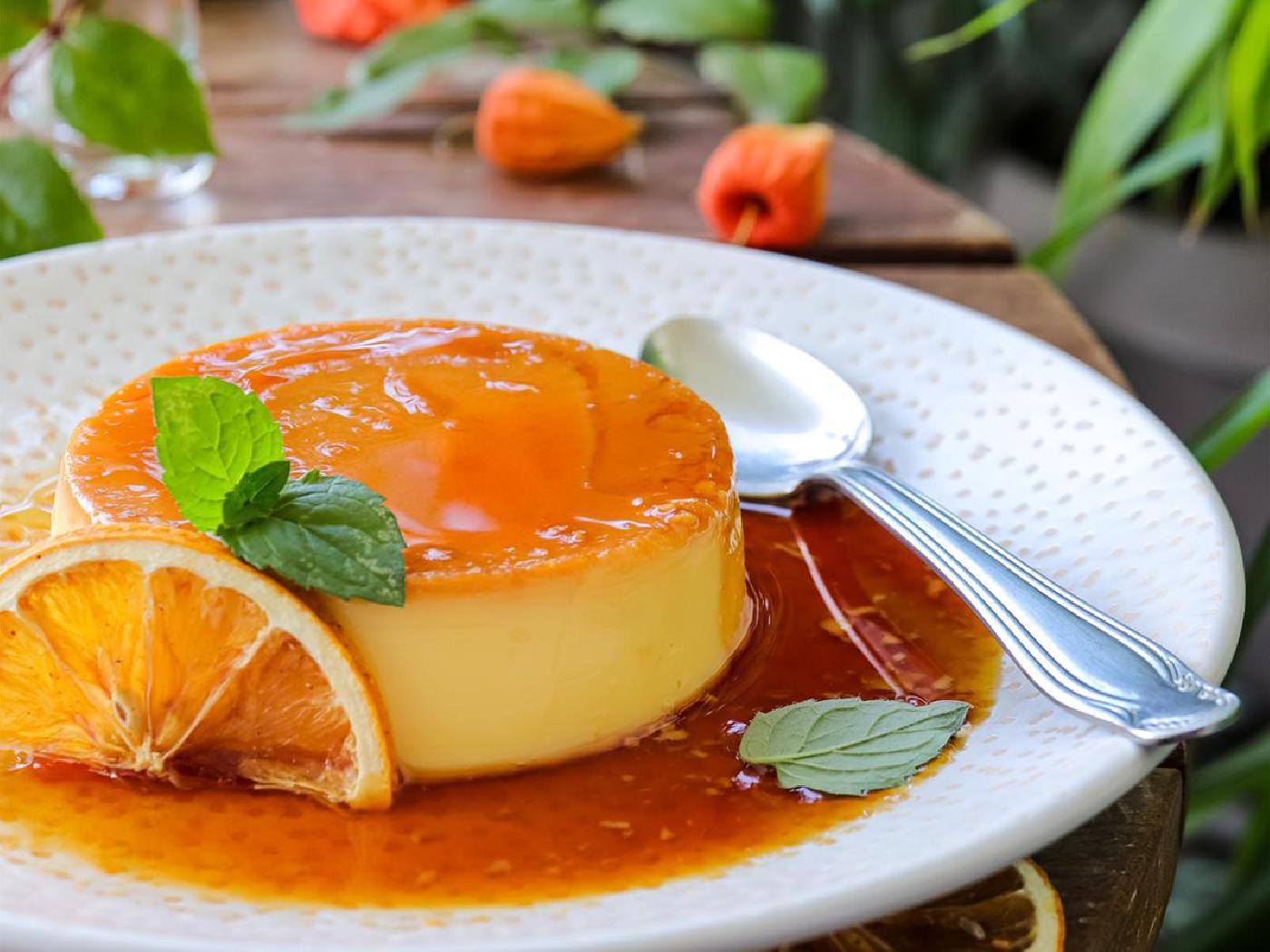
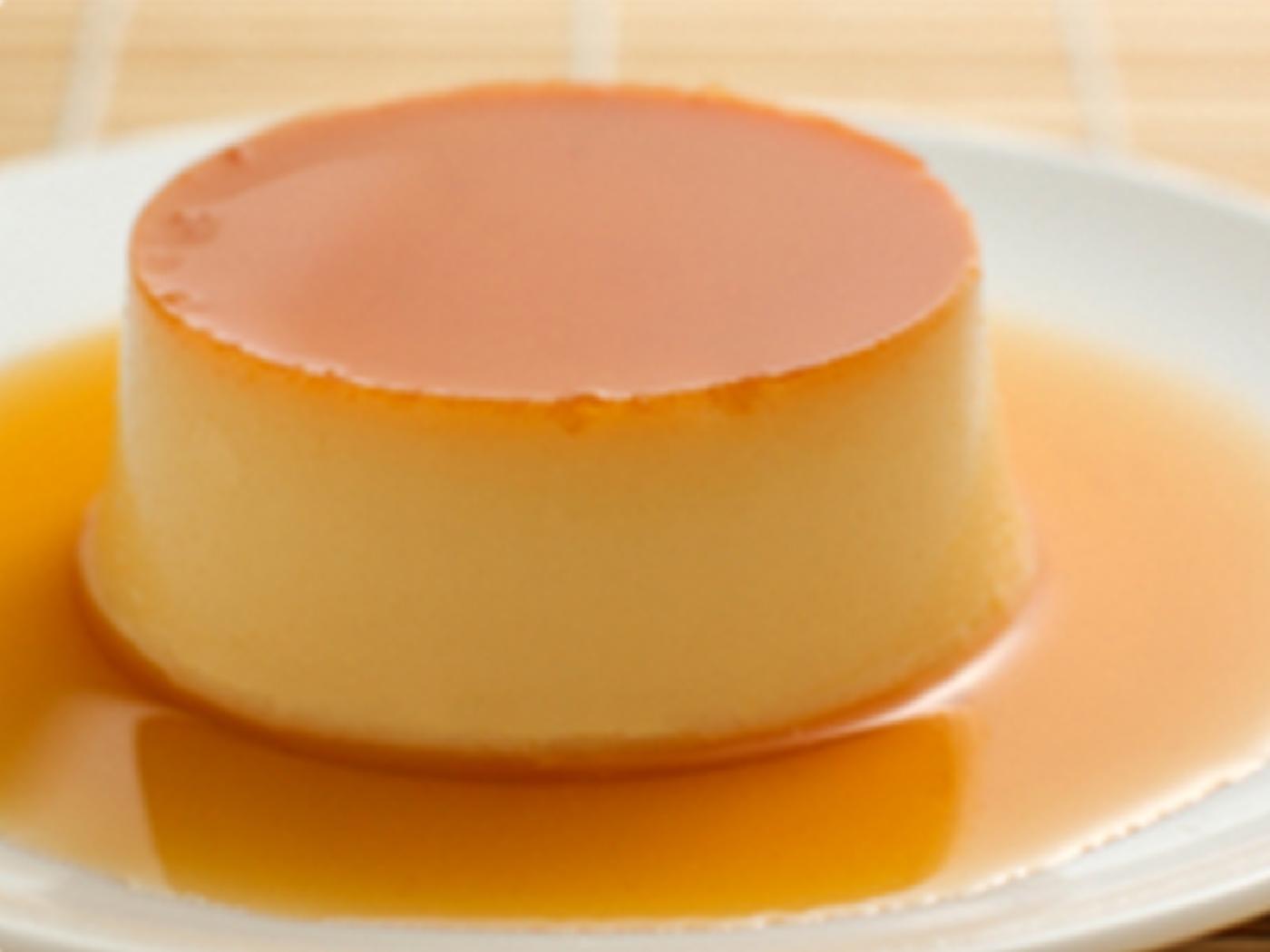
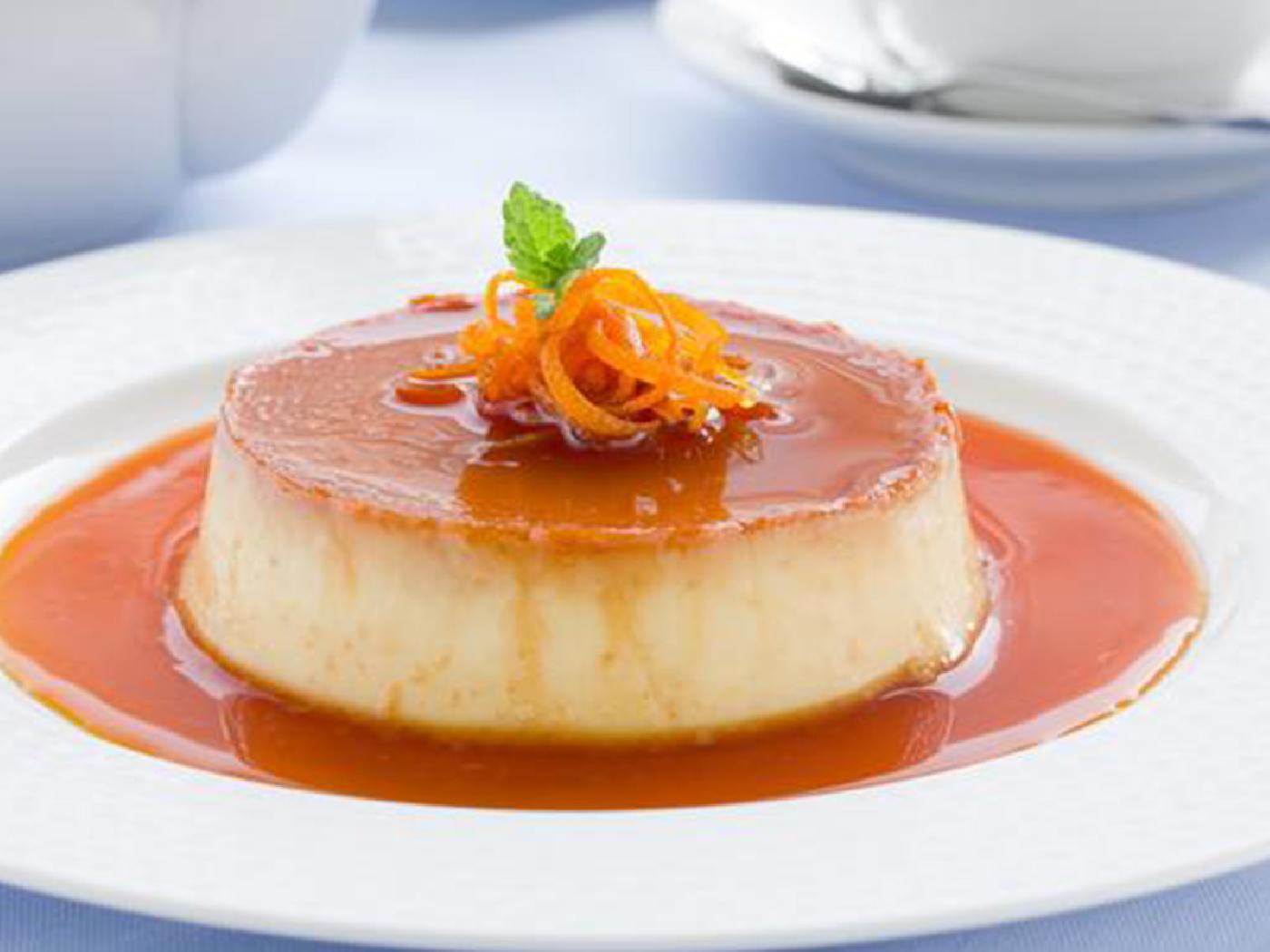
Rožata is not baked, but gently cooked in a water bath, slowly and without haste. The result is a smooth, silky texture that trembles lightly on the plate, yet holds its form. Once turned out, the caramel flows softly over the surface, bringing everything together.
Although it is now often found in restaurants, rožata was long a home dessert — prepared for holidays, special guests, and family gatherings. That’s why it carries a certain quiet elegance: not showy, not heavy, but composed and refined.
In many good konobas and restaurants, rožata is served without additions, sauces, or decoration. It doesn’t need them. If you see it on the menu, it’s usually a good sign. And if it’s recommended as the house dessert, don’t hesitate.
Rožata is not a dessert for photographs. It’s a dessert to be enjoyed.