
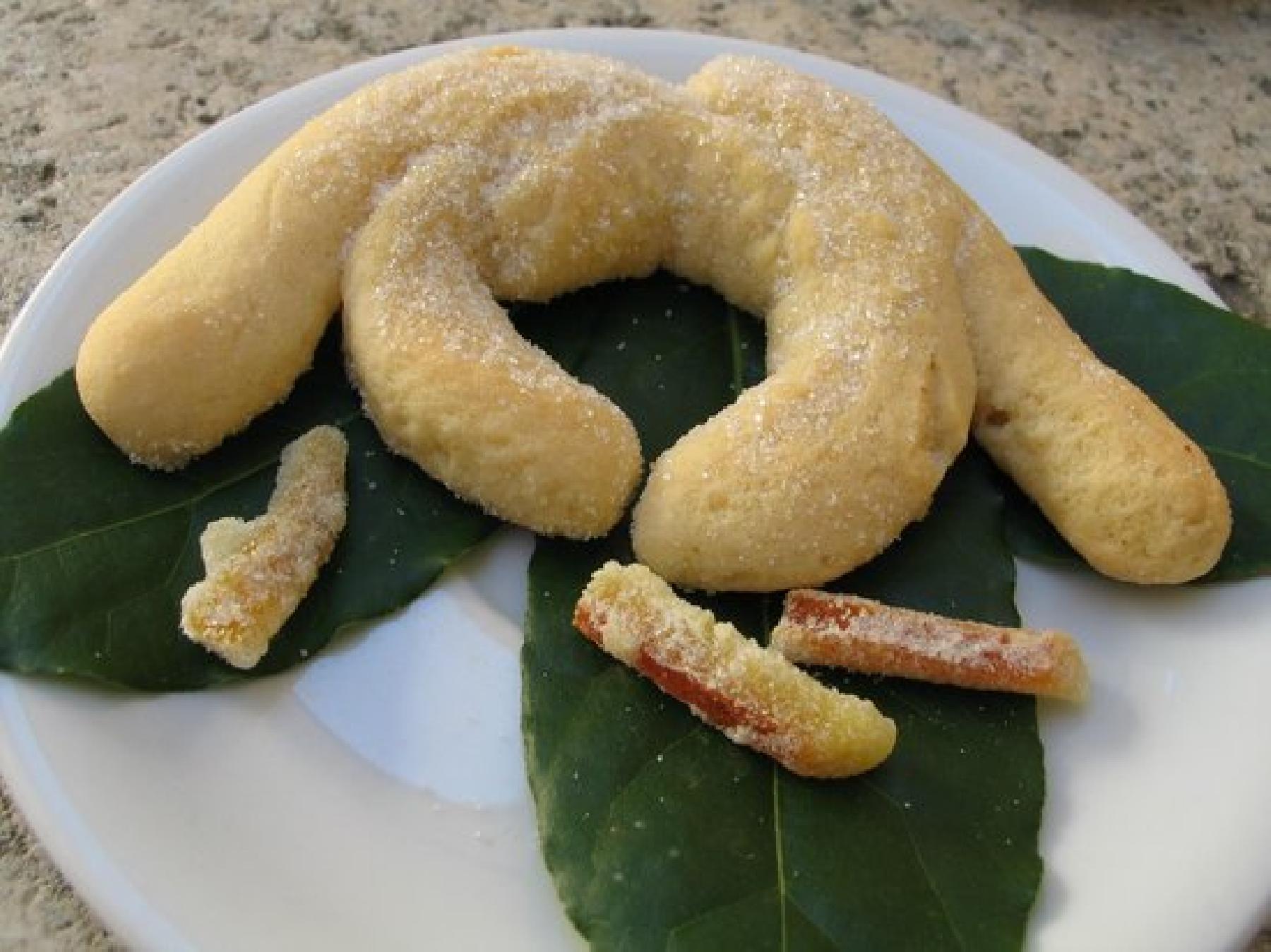


There are desserts that have become symbols of a place, and there are those so deeply connected to their origins that it is almost impossible to imagine them anywhere else. Cukarin belongs firmly to the latter group.
This traditional pastry from Korčula has been part of island life for centuries. It was once prepared for holidays, weddings, family gatherings, and other important occasions, with recipes passed down through generations. Today, it remains one of Korčula’s most recognizable sweets and one of the rare examples of authentic island pastry heritage that has survived into modern times almost unchanged.
At first glance, cukarin appears simple. Made from flour, sugar, eggs, and lard or butter, its distinctive character comes from the aromas of lemon and orange, which give it its unmistakable Mediterranean freshness. After baking, it is traditionally coated with a thin layer of sugar.
Its shape also carries symbolism. The characteristic ring shape was not created by accident; throughout history, it represented abundance, togetherness, and celebration. For that reason, cukarin was never an everyday treat, but a pastry reserved for special occasions.
A special ritual surrounds the way it is served. On Korčula, cukarin is traditionally enjoyed with prošek, the island’s sweet dessert wine. The biscuit is briefly dipped into the wine before each bite, creating an entirely new dimension of flavour. This combination of sweetness, citrus notes, and the rich aromas of prošek has remained virtually unchanged for centuries.
What makes cukarin such a valuable part of Croatia’s gastronomic heritage is not complexity, but quite the opposite. Within a handful of simple ingredients lies a story of an island, its families, and a time when recipes were passed on by word of mouth and desserts were made for meaningful occasions.
Where to try it: Škatula, Lumbarda